Trezor Login — Secure Crypto Access
Comprehensive 1200-word guide to Trezor Login. Learn how to securely access your crypto portfolio via Trezor Suite, using PIN protection, recovery seed, and best practices for safety.
Introduction to Trezor Login
Trezor Login is the secure process of accessing your Trezor hardware wallet through Trezor Suite. Each login session requires device confirmation, PIN entry, and sometimes passphrase usage. This layered security ensures your private keys remain offline and protected against remote threats.
Step 1: Install Trezor Suite
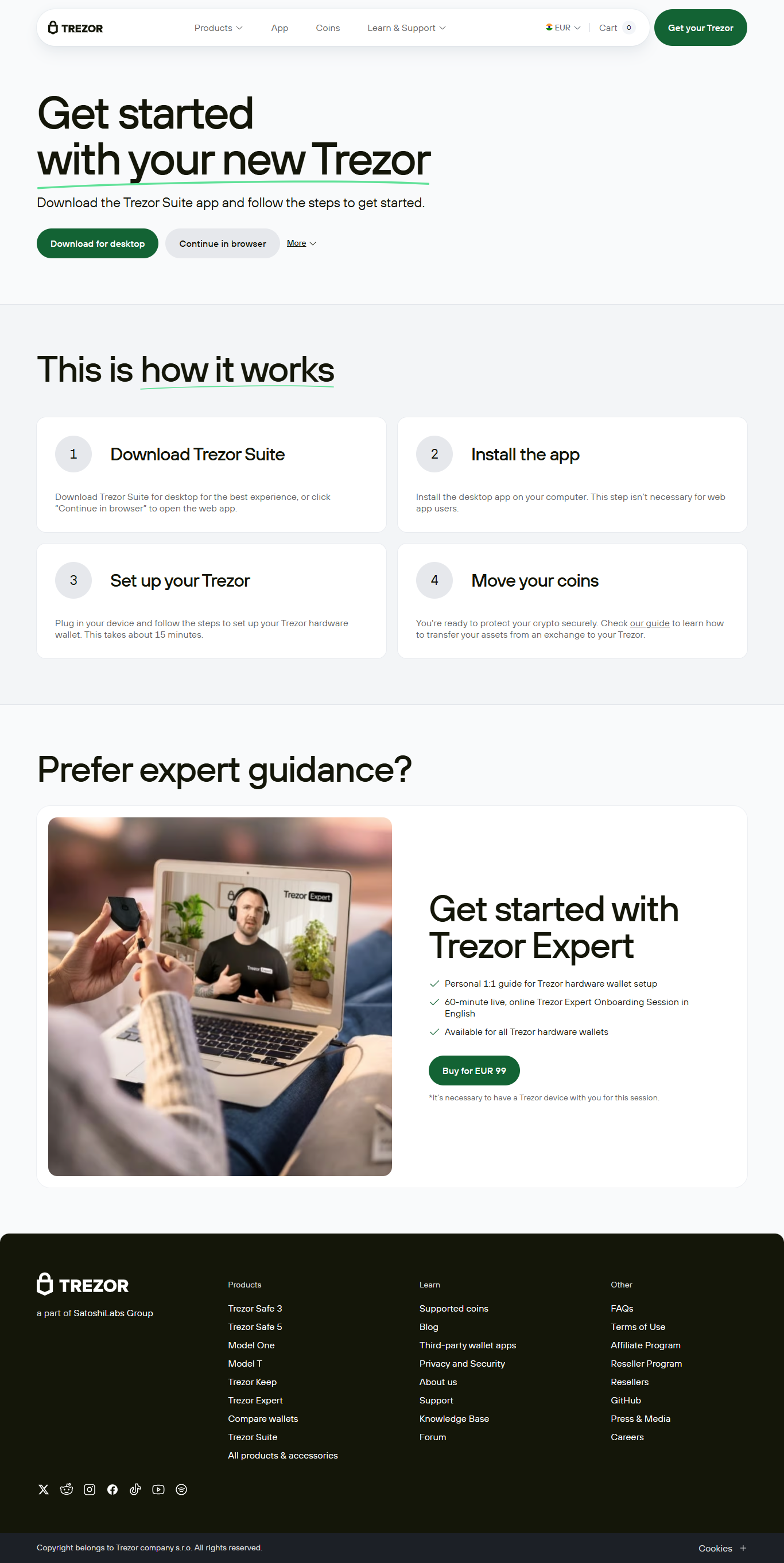
Before logging in, install Trezor Suite from the official site:
- Visit trezor.io/start.
- Select and download the version for your OS.
- Install the application and open it.
- Connect your Trezor device via USB.
Security Tip
Never download Trezor Suite from unofficial sources. Fake apps can compromise your crypto security.
Step 2: Device Setup (If New)
If you are logging in for the first time, Trezor Suite will guide you to set up your device:
- Create a new wallet or restore from an existing recovery seed.
- Write down your 12–24 word recovery seed offline.
- Set up a PIN code to protect access.
- Optionally, enable a passphrase for extra protection.
Step 3: Logging in to Trezor Suite
Once your device is ready, login is straightforward but highly secure:
- Connect your Trezor device to your computer.
- Launch Trezor Suite.
- Enter your PIN on the device interface.
- If enabled, enter your passphrase securely.
- Confirm login on the device screen.
Managing Your Crypto After Login
After logging in, Trezor Suite allows you to:
- View your portfolio balances and recent transactions.
- Send and receive cryptocurrencies securely.
- Buy, sell, or exchange supported coins within Trezor Suite.
- Access advanced features such as staking and integrations.
Did You Know?
Trezor devices integrate with wallets like MetaMask for NFTs and DeFi while keeping private keys safe on the hardware.
Security Features of Trezor Login
Each login includes multiple layers of security:
- Device PIN code.
- Recovery seed for backup and restoration.
- Optional passphrase for hidden wallets.
- On-device confirmation of sensitive actions.
Troubleshooting Login Issues
- Device not recognized: Try another cable, USB port, or reinstall Trezor Bridge.
- Forgot PIN: Reset the device and restore with your recovery seed.
- Trezor Suite won’t start: Update or reinstall the app.
- Firmware issues: Retry installation after restarting both the device and PC.
Best Practices for Trezor Login
- Always verify you’re using the official Trezor Suite.
- Keep your recovery seed offline in a secure place.
- Enable a strong PIN and consider using a passphrase.
- Regularly update firmware and Trezor Suite for security patches.
Why Trezor Login is Safe
Trezor ensures that your private keys never leave the hardware device. Login verification occurs directly on the device screen, making remote attacks virtually impossible. This ensures total control over your funds and peace of mind for users of all levels.
Conclusion
Trezor Login is more than just entering a PIN — it’s a layered process that protects your digital wealth from online threats. By combining hardware verification, PIN protection, recovery seed backup, and optional passphrase use, Trezor gives you full control and security over your assets.
Secure your funds today by logging in through Trezor.io/Start.